You want stable comfort without surprises, and the smartest path is a plan grounded in facts. List what matters most, then choose steps backed by measurements. This piece uses a practical, field-tested approach that blends indoor comfort planning with hvac efficiency, airflow testing, and system sizing and comfort. We cover fast wins and deeper upgrades that pay back over time. Along the way, you’ll see how home energy efficiency meets real-world trade-offs like home comfort vs energy use and homeownership cost breakdown. The guidance stays neutral, staged, and results-driven. We’ll walk through hvac diagnostics, hvac performance testing, and hvac troubleshooting, then link those findings to air sealing tips, weatherization basics, and home efficiency upgrades. You’ll also learn to read bills, plan budgets, and pace work across seasons. Finally, we tie airflow, moisture, and equipment choices into a single plan that helps reduce utility bills.
Scope your project smartly for all-season comfort and clarity
List rooms with hot and cold spots in house, weak airflow from vents, and any ac not cooling evenly or furnace not heating evenly. home energy efficiency Sketch vents and doors; log noise, dust, and drafty spots. Snap pictures and note sizes before you book service. Use a home energy audit checklist to guide the whole home energy audit steps you plan next. Write down reduced airflow causes you suspect, like clogged filters or crushed flex duct.
Decide where comfort matters most, then phase fixes by impact. Add indoor air quality basics and iaq improvement tips to the plan if you battle dust in house causes or smoke and dust control. Budget time for airflow testing and air balancing service before buying new gear. Document repair vs replace decisions and build a quote comparison checklist. This sets up better compare hvac quotes and steadies maintenance budgeting for homeowners while you aim for lower utility bill results.
Inputs you’ll gather for inspection and air sealing
Start with a home air leakage test and get a blower door test explained by a pro who can also flag duct leakage signs. home energy efficiency Have them log static pressure in hvac, room temps, and supply vs return airflow. Include IR scans to see thermal bridging explained and attic ductwork problems. Collect weatherstripping doors and windows needs, window efficiency upgrades options, and air sealing tips targets. This data guides quick wins and major upgrades.
Gather utility data for how to read an electric bill and how to read a gas bill. Note time of use rates explained, peak vs off peak electricity, and phantom power usage to spot energy vampires in the home. Record water heater energy use and do water heater maintenance including flush water heater sediment and replace anode rod. Flag water heater leak signs early to decide water heater repair vs replace and understand water heater replacement cost. Exploring tankless options? Check tankless water heater pros and cons, tankless water heater sizing, tankless water heater installation guide, tankless water heater venting, tankless water heater descaling, and tankless water heater outdoors.
Workflow that respects seasons, family routines, and crew timing
Sequence work so seasonal energy savings land on time: summer energy savings at home before heat waves, winter energy savings at home before freezes. home energy efficiency Start with weatherization basics, add insulation and HVAC tuning, then smart controls. Slot attic insulation upgrade when the attic is safe to enter. Choose spray foam vs blown in insulation using an insulation r value guide and consider a radiant barrier pros and cons review where sun loads are severe. Confirm attic ventilation balance using ridge vent vs soffit vent checks to avoid attic moisture problems.
Plan crawlspace encapsulation basics plus a crawlspace vapor barrier and crawlspace dehumidifier sizing ahead of muggy season. Coordinate fresh air ventilation options and erv vs hrv explained during mild weather to simplify commissioning. Set the indoor humidity target range and dial humidity control in home to prevent mold and moisture guide concerns. Address musty smell in house, condensation on vents, and condensation on ductwork as you pace work. Use a homeowner maintenance checklist plus monthly home maintenance checklist and seasonal home maintenance checklist.
Quality controls for ducts, gear, and IAQ
Begin with ductwork airflow issues, duct sizing guide, and manual d duct design to fix return air problems and damper balancing in ducts. home energy efficiency Seal joints to reduce duct leakage energy loss and see duct sealing benefits. Improve duct insulation r value, and watch for homes without usable ductwork that may need mini split vs central air. When noise appears, track mini split noise causes, plan concealed mini split maintenance, and clear mini split drain line issues. For multi zone mini split design, do mini split sizing first. You avoid room swings and short cycling.
Size with manual j load calculation and validate manual s equipment selection. Select a right size air conditioner or right size heat pump so you dodge oversized ac problems and undersized ac symptoms. Compare seer vs seer2 explained, eer rating explained, and hspf vs hspf2 explained for apples-to-apples choices. Choose variable speed hvac benefits when you want steady temps. For controls, aim for smart thermostat savings with smart thermostat settings, thermostat schedule tips, and remote temperature sensors that support hvac zoning basics. The approach eases wear and helps lower electric bill with stable temps.
Budget playbook that protect ROI and comfort
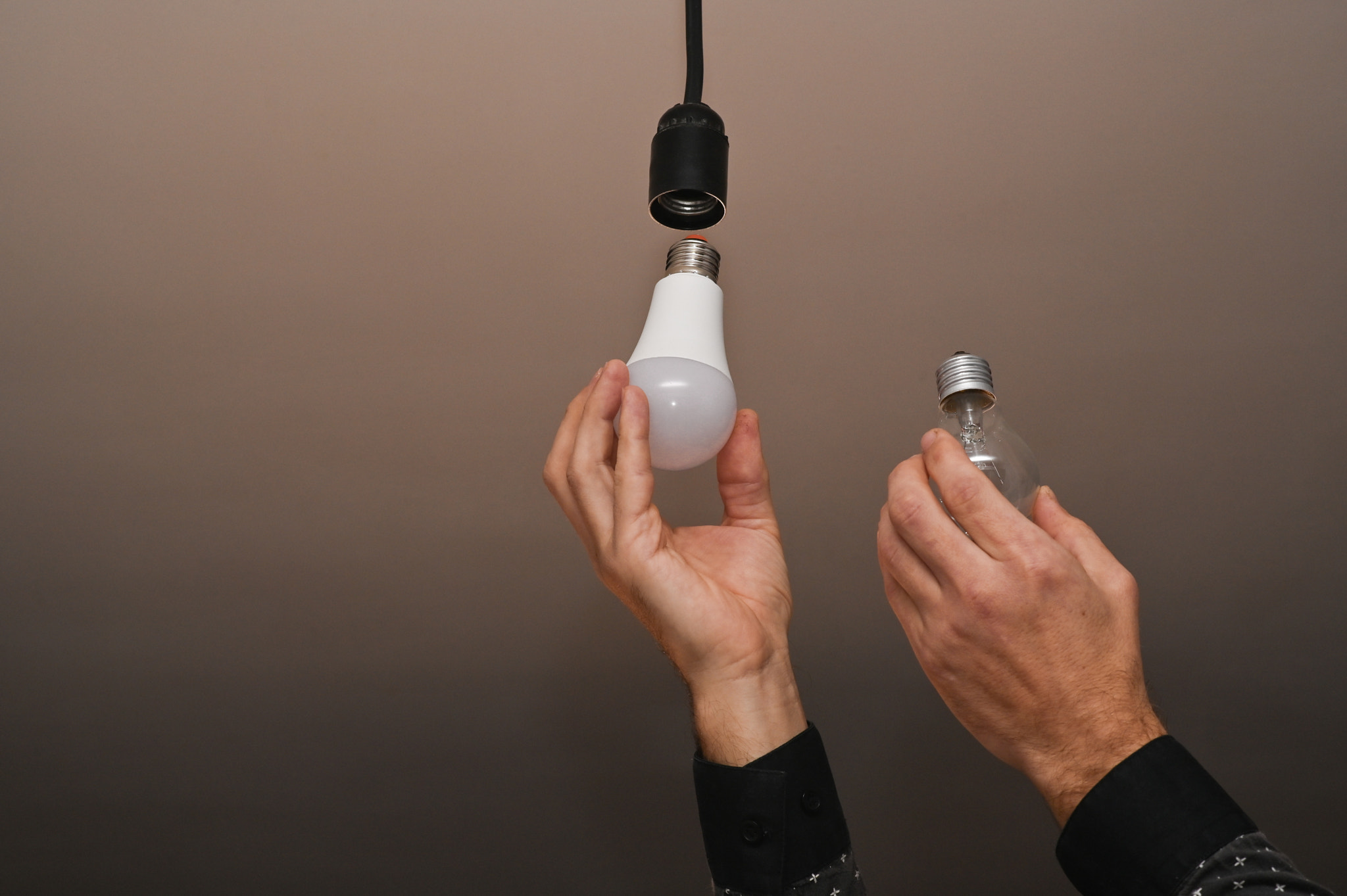
Plan staged home efficiency upgrades and energy efficient home improvements with a home upgrade roi lens and efficiency upgrade payback tracking. home energy efficiency Kick off with easy energy saving tips for homeowners: smarter schedules, sealing, and LEDs. Fold in hvac maintenance checklist work: hvac tune up checklist, ac maintenance checklist, furnace maintenance checklist. Those basics reduce breakdowns and lower gas bill patterns without losing comfort. For equipment, compare heat pump vs furnace and explore dual fuel heat pump system options if fuel prices swing.
Use heat pump performance tips to guide seasonal checks and heat pump in cold weather. Learn heat pump defrost cycle explained and set reasonable aux heat usage to avoid bill spikes. If shifting water heat, check heat pump water heater savings and hpwh installation considerations. Keep a home repair budgeting cushion so timing stays flexible. Use the new homeowner handbook and home systems basics to coach decisions, then verify home systems performance as upgrades stack. That’s how you reduce utility bills while keeping daily life simple.
Lifecycle habits that keep savings and comfort over time
Make filter care a routine: best hvac filter for allergies balanced with merv 8 vs merv 11 vs merv 13, noting high merv filter airflow impact. home energy efficiency Add reminders for how often to change air filter and keep spares on hand. Maintain your fresh air ventilation options a couple of times yearly. Track basement humidity control and adjust ventilation to block mold prevention tips failures. If levels rise, revisit attic ventilation balance and crawlspace work to stop moisture.
Maintain a basic log for HVAC checks, filters, and bills. Track rate changes and slide schedules toward off-peak. Consider seer vs seer2 explained and variable speed hvac benefits at replacement time. Keep thermostat schedule tips tuned for seasonal energy savings and adjust for school, work, and travel. Small, steady habits protect comfort while you lower utility bill outcomes month after month.
Conclusion: By scoping needs, gathering the right data, scheduling wisely, enforcing quality controls, and budgeting with purpose, you connect airflow, insulation, equipment, and controls into one plan. Expect balanced home comfort, steadier bills, and more confidence. Lean on a contractor neutral home guide approach to compare options and phase work comfortably. Over time, the mix of ac efficiency tips, heating system efficiency, and smart thermostat savings will keep momentum while you steadily lower electric bill.